Human Comfort Factors In Construction

Basic Factors That Affect Human Comfort

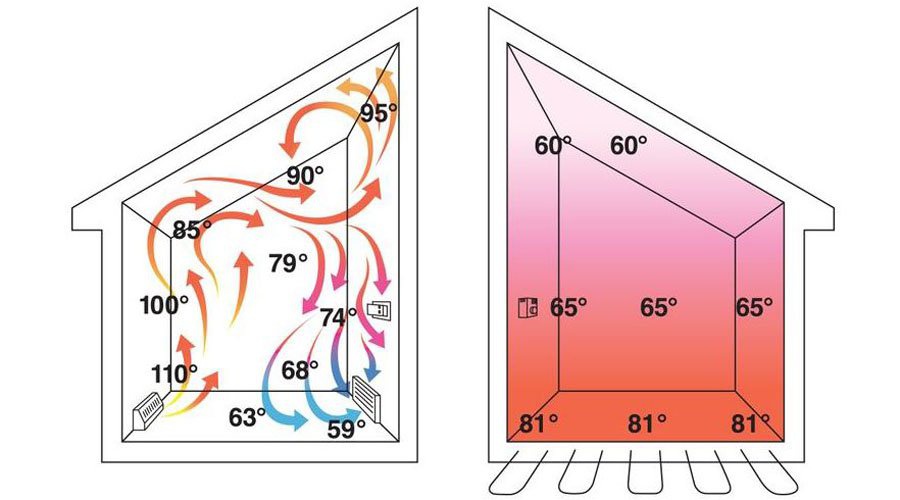
Human Comfort Cold Winter Interior Feels Chilly And Drafty Uncomfortable Conventional Code House Typ 2x4 Wall Hot And Humid Summer Interior Passive House

Improving Healthcare Buildings With Bim Healthcare Infographics Health Care Infographic Health

Mean Radiant Temperature Indoor Environmental Quality With Energy Efficiency Radiant Heat Temperatures Energy Efficiency

Bim Life Cycle Building Information Modeling Bim Event Planning Branding

Zzz Factory Uses Clever Technology And Simple Construction To Build A Mattress That S Unbeatable For Comfort

How much moisture is in the air.
Human comfort factors in construction. Thermal comfort in high activity the temperature rises and the more heat you will give off. Being too warm can increase the risk of heat stroke collapse or worse. Personal factors health and wellbeing thermal comfort indoor air quality visual comfort noise nuisance ergonomics and so on.
The final factor that affects the human comfort is the visual of the room and the light intensity. Climate parameters the influence of the building envelope and thermal comfort are factors that are closely related to the thermal performance of a house and can combine to contribute to energy saving. This is the most obvious of the 4 factors of comfort and gets the most attention.
Human comfort is affected by thermal factors. Type of activity and level of intensity. Humidity this is the amount of water vapour moisture in the air water vapour is the gas state of water and is completely invisible when it is humid the weather is usually cold wet and or foggy humidity affects human comfort as when it is highly humid the efficiency of sweating is reduced and so it cools the body less so if you are warm it is a lot harder to cool down so if the dew point is reached the highest amount of moisture possible to be in the air it would be very.
Physical factors and personal factors. The six factors affecting thermal comfort are both environmental and personal. How hot or cold employees are while they go about their work can affect their health and safety.
Personal factors that can affect the level comfort in a building include. Another factor that can affect human comfort is sound of the environment around them. Sleeping heat output 70w.
The final factor that affects the human comfort is the visual of the room and the light intensity. Humans like to be in the range of 70 to 80 degrees more or less. Basic factors for thermal comfort.

Improving Healthcare Buildings With Bim Healthcare Infographics Health Care Infographic Health

Atmosphere Special Issue Indoor Thermal Comfort

Revit Families A Step By Step Introduction Revit Family Revit Tutorial Autodesk Revit

Thermal Comfort Calculators Based On Iso 7730 And Ashrae 55

The Measure Of Man And Woman Human Centered Design Book Design Urban Spaces Design

Niels Diffrient Human Factors Human Dimension Ergonomics Furniture Human

Human Comfort In Buildings Designing Buildings Wiki

The Internet S Most Supportive Mattress Poor Sleep Sleep Mattress Better Sleep

Running Shoes To Reduce Injuries Sports Injury Injury Running Injuries

Pin On Odoo Software Solutions Implementation Viltco
Biophilia Well Building Standard Terrapin Bright Green Nature Design Thermal Comfort Built Environment

Shifts To Sustainable Smart Future Starts With Social Environmental And Economic Growth Through Inclusi Sustainable City Sustainability World Economic Forum

Image Result For Innovation Maturity Model Innovation Models Innovation Leadership